





Winter Towing Checklist for Highway 20: Tires, Lights, Chains, and Emergency Gear
Highway 20 in Iowa can feel calm one minute and rough the next. Wind pushes drifting snow across open fields, black ice hides in shaded spots, and traffic still moves fast. Add a trailer, and small problems get big quickly.
The good news is that winter towing gets much easier when you focus on the usual failure points. Traction goes away, lights get covered, connections loosen, and the wrong gear ends up buried under snow.
This guide gives a quick, practical checklist you can run before you pull out in your RAM, Jeep, Dodge, or Chrysler. It's built for real winter miles, long stretches between exits, and the kind of weather that changes without warning.
Do this quick walkaround before you pull onto Highway 20
Give yourself 10 minutes in the driveway. That short pause can save you an hour on the shoulder.
Start with these high-impact checks:
Hitch and coupler: Confirm the coupler is fully seated on the ball, then lock it. Try lifting the tongue slightly with the jack to verify it's latched.
Safety chains: Cross chains under the coupler so they can catch the tongue if it drops. Leave enough slack for turns, but not enough to drag.
Breakaway cable: Clip it to the tow vehicle (not the chains). Pull the pin briefly to confirm the trailer brakes engage, then re-seat it.
Electrical plug: Push the connector in firmly, then wiggle-test it. A loose plug causes flickering lights and weak trailer brakes.
Trailer jack and stabilizers: Raise the jack fully, and stow pads or blocks. Anything left down can catch ice chunks.
Load and doors: Close and latch every door, gate, and toolbox. In winter, a small bump can pop a latch.
Weight and balance: Keep tongue weight in the safe range for your setup. Too light invites sway, too heavy can sag the rear and cut steering grip.
Mirrors and camera view: Adjust mirrors while you're still parked. Clear snow from cameras and sensors if you use them.
Braking plan: Assume stopping distance doubles on cold pavement, then add more if it's slick.
One more thing: check your owner's manual and trailer manual for exact ratings, tire pressures, and chain guidance. Your numbers matter more than general rules.
Tires and traction, your first line of defense on ice and slush
Tires do more than move you forward. They also keep the trailer calm when wind hits the side.
Check the tread first. If the tow vehicle tires look worn, winter towing becomes a coin flip on slush and packed snow. Many drivers use the penny test, but you should also look for uneven wear, which can hint at alignment issues.
Next, check cold tire pressure. Temperature drops pull PSI down, sometimes fast. Trailer tires are especially easy to neglect because you don't see them daily. They also tend to lose pressure in winter because rubber stiffens and slow leaks show up more.
Match tire types on the tow vehicle when you can. Mixing a worn all-season with an aggressive tire on the same axle can make traction feel odd in turns.
A simple "good, better, best" guide helps:
Good: All-season tires with strong tread and correct pressure.
Better: Dedicated winter tires on the tow vehicle during the towing season.
Best: Winter tires plus appropriate added weight over the drive axle (only if your vehicle and load limits allow it).
Finally, recheck pressures after the first 10 to 15 minutes if temps are dropping or windchill is sharp. That quick second check can catch a slow leak before it turns into a shredded sidewall.
Lights, wiring, and visibility checks that prevent scary surprises
In winter, you can have working lights that still aren't visible. Snow paste and road salt can turn lenses dull in one trip.
Use a simple routine before you roll:
Turn on running lights.
Test brake lights.
Test left and right turn signals.
Switch on hazard flashers.
Check reverse lights if equipped.
Walk the trailer and confirm marker lights and license plate lights are lit.
Then look at the wiring. Secure any loose harness so it can't drag. Also inspect the plug for green corrosion, moisture, or bent pins.
Bring a few spare fuses that fit your tow vehicle, plus a small test light or plug tester. When it's 15 degrees and windy, guessing gets old fast.
Chains and control, when extra grip matters and when it can hurt
Chains can help, but they can also create problems if they don't fit right. Clearance changes between trims, tire sizes, and suspension setups. Road conditions also change quickly on Highway 20, especially near open areas where wind drifts return after plows pass.
Practice installing traction devices at home, in daylight, with warm hands. Do a full test fit, then retighten after a short roll in your driveway. If you wait until you're stuck, you'll be kneeling in slush next to traffic.
Never exceed the chain maker's speed rating. If you hear slapping or feel vibration, stop and fix the fit before you keep going.
If you're towing with a heavy-duty setup that includes features like trailer sway control, build quality still matters.
How to know if you should bring chains, and which axle gets them
Bring chains (or approved alternatives) when the forecast calls for freezing rain, packed snow, or rapid refreeze after dark. Most of the time, chains go on the drive wheels of the tow vehicle. That's where you need traction to start moving and keep the rig straight. Trailer chains can help in some cases, but clearance is the deal-breaker. Low fenders and tight spacing can lead to damage fast, so confirm room before you even buy them.
Tire socks and traction cables can be easier to fit than heavy chains. Still, fit and clearance decide what's safe.
Trailer sway prevention in winter, slow down, load smart, and brake smoothly
Sway feels like a tail wag on dry roads. On slick pavement, it can build before you react.
Speed is the first fix because winter traction is limited. Next, load heavy gear low and slightly forward of the trailer axle or axles. Avoid rear-heavy loading, and secure everything so it can't slide when you hit a rut.
Before you merge onto Highway 20, test your trailer brakes at low speed in a safe area. Adjust the brake controller so the trailer helps slow you, but doesn't lock up. After that, increase following distance and steer with small, calm inputs.
Emergency gear that actually helps if you get stuck or stranded
Winter towing problems often turn into "wait problems." You might be waiting for a plow, a tow, or traffic to clear. Plan for warmth and visibility first, then for getting unstuck.
Keep a few essentials in the cab because you may not reach the trailer if it's buried or stuck at an angle. Extra straps, blocks, and chains can live in the bed or trailer, so long as they're easy to grab. If you're figuring out cargo space for winter gear, this guide to the right RAM truck bed length for winter loads is a helpful way to think about what fits your routine.
Must have winter towing kit for Iowa drivers
Carry the basics that solve real problems, not just "nice to have" items.
Phone charger and power bank: Keeps you connected if you're stopped for hours.
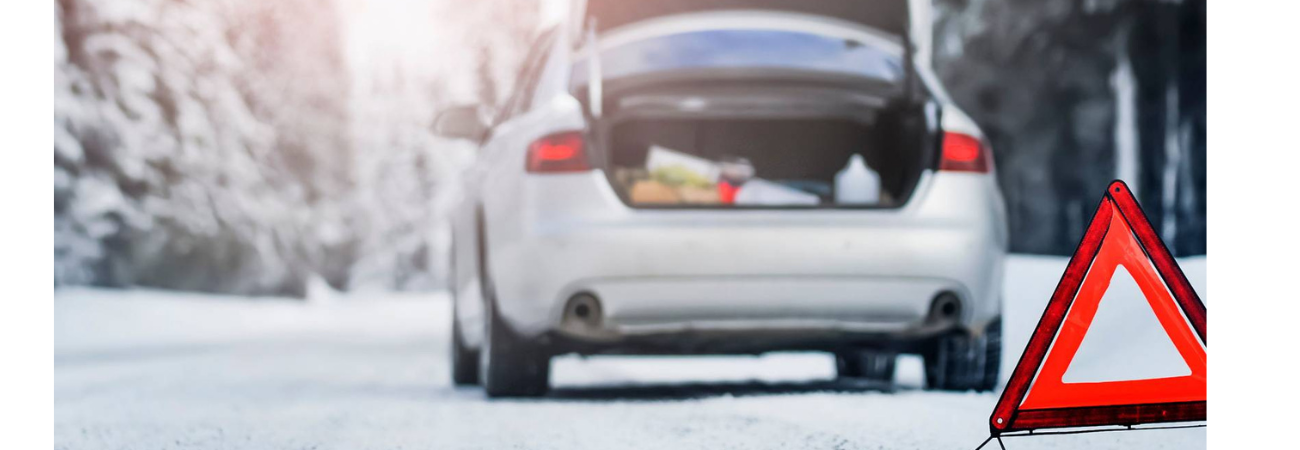
Reflective triangles or flares: Helps drivers see you early in blowing snow.
Headlamp: Frees both hands for chains and wiring checks.
Warm gloves, boots, hat: Prevents numb hands while you work.
Blanket or sleeping bag: A reliable heat backup if you must wait.
Water and snacks: Keeps you steady if you're delayed.
First aid kit: Covers cuts from sharp metal and ice.
Ice scraper and brush: Clears windows and lights quickly.
Shovel: Digs out tires and clears around chains.
Traction aid (sand, kitty litter, or boards): Helps you climb out without spinning.
Tow strap and rated shackles: Only use gear that matches your vehicle's recovery points.
Jumper pack: Starts you without another vehicle.
Basic tool kit, duct tape, zip ties: Fixes loose wiring and small failures.
Store gear so you can reach it even if the trailer is drifted in.
Here's a mini list you can screenshot: charger, triangles, headlamp, gloves, blanket, shovel, traction aid, tow strap, jumper pack.
What to do if Highway 20 turns bad, safe pull offs, staying with the vehicle, and calling for help
Slow down early and brake gently. If visibility drops, turn on hazards so others spot you sooner. When you need to stop, pick a safe pull-off well away from traffic and soft shoulders.
Stay with the vehicle if conditions are dangerous. If you idle for heat, keep the exhaust area clear of snow, and run the engine in short intervals to save fuel.
Share your location using mile markers, the nearest town, or a map pin, then tell a trusted contact your route.
Conclusion
Winter towing on Highway 20 isn't about luck. It's mostly preparation, with extra attention to tires, lights, chain readiness, and the right emergency gear. Save this checklist, then do a short practice run before the first big storm, especially the chain install and light test.
If you tow often with your Fort Dodge CDJR vehicle, schedule a pre-trip inspection and ask about towing setup, brake controller checks, and winter tire options. A calm start in the driveway usually leads to a calmer drive on the highway.