





Weight-Distribution Hitch Basics for Travel Trailers
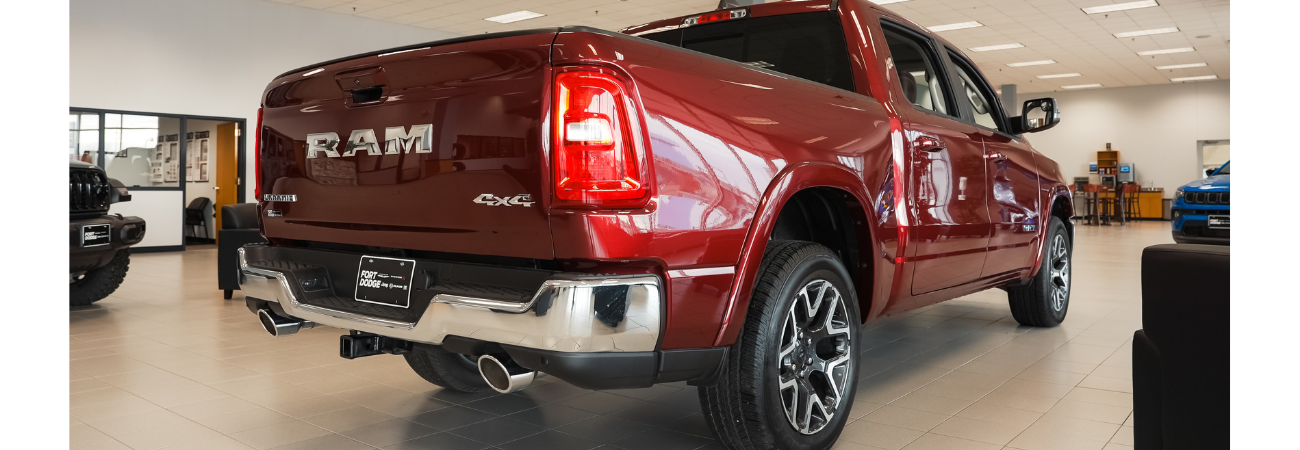
Hook up a travel trailer, and your tow vehicle can feel different right away. The rear may squat, the steering may feel lighter, and bumps cam turn into a slow bobbing motion that wears you out fast.
That's where a weight-distribution hitch comes in. It helps spread trailer tongue weight more evenly across the tow vehicle's front and rear axles, which can improve steering, braking, and overall control.
If you're wondering whether you need one, or how to set one correctly, the basics are simpler than they look. Start with what the hitch does, then check your ratings, and finally dial in the setup on level ground.
What a weight-distribution hitch does, and how it is different from a regular hitch
A regular ball hitch does one simple job. It connects the trailer coupler to the hitch ball. That works fine for light loads, but a heavier travel trailer can push down hard on the rear of the tow vehicle.
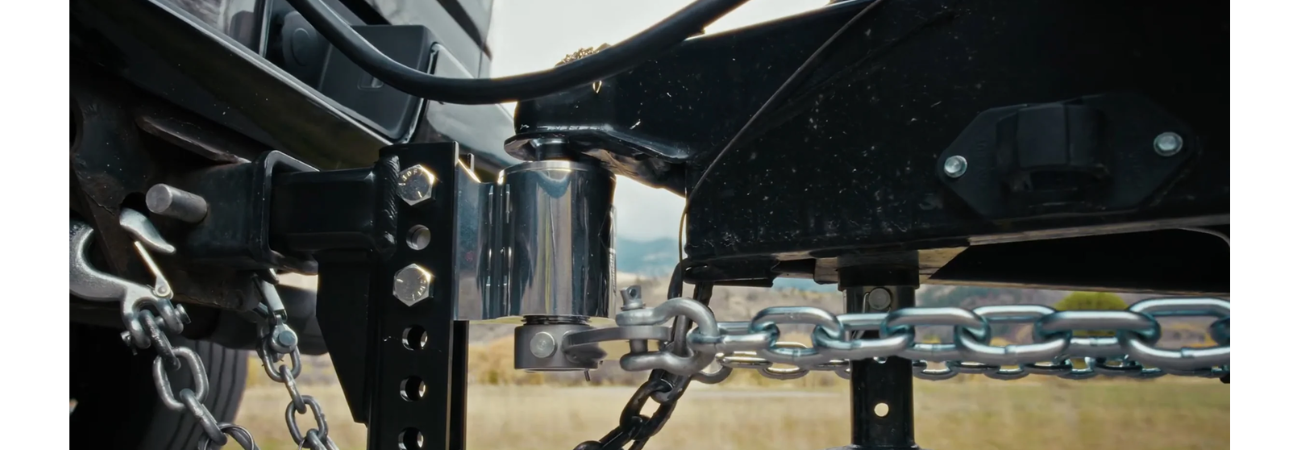
A weight-distribution hitch adds parts that help manage that load. The main pieces are the shank, which slides into the receiver, the hitch head, which holds the ball, the spring bars, and the trailer-side brackets or chain mounts. The trailer coupler still locks onto the ball like normal.
The difference is in how the spring bars work. When they're under tension, they act like long levers. They help shift part of the tongue weight forward onto the tow vehicle's front axle and rearward onto the trailer axles. In plain terms, they help the whole setup sit more level.
That's why many travel trailer owners use one, especially with heavier campers, half-ton trucks, and SUVs. It doesn't make the load lighter, but it can make the combination feel more settled and easier to control.
How it improves steering, braking, and trailer balance
The biggest change you'll often notice is less rear squat. When the back of the vehicle drops too much, the front end can lift. That reduces front tire grip, which can hurt steering feel.
With better balance, the front tires keep more solid contact with the road. As a result, steering often feels more normal, braking can feel steadier, and the trailer usually rides flatter behind the tow vehicle.
Think of it like carrying a heavy backpack. If all the weight hangs off one shoulder, you feel crooked and tired. Spread that weight out, and everything feels more controlled.
Weight distribution vs sway control, what each one actually does
These two terms get mixed up all the time, but they are not the same. Weight distribution helps restore balance across the axles. Sway control helps limit trailer side-to-side movement.
Some hitches include both functions in one system. Still, a weight-distribution hitch alone does not automatically fix sway, and sway control alone does not correct rear-end sag.
A weight-distribution hitch does not increase your tow rating. You still have to stay within your vehicle, receiver, tire, and trailer limits.
How to tell when you need a weight-distribution hitch for your travel trailer
The short answer is this: check your owner's manual and receiver rating first. Some tow vehicles and receivers require a weight-distribution hitch above certain trailer or tongue-weight thresholds. Others may allow it, but not require it.
That's why the first step is always the paperwork. If you're towing with a new truck, an older SUV, or even a certified pre-owned tow vehicle, the same rules apply. Ratings matter more than model year or how strong the vehicle feels.
Also, trailer size matters. A long travel trailer can have a bigger effect on handling than a shorter, heavier utility trailer. If you're shopping for a truck with towing in mind, this 2026 RAM 1500 capabilities guide gives a useful look at towing-related features for Iowa drivers.
Check your owner's manual, receiver rating, and tongue weight first
Start with five numbers: tow rating, payload, receiver rating, loaded trailer weight, and loaded tongue weight. Loaded means ready to camp, not empty on the dealer lot.
Tongue weight is a big one. Too little can increase sway. Too much can overload the rear axle or receiver. Many travel trailers tow best with tongue weight in a healthy range, but your exact limit comes from the vehicle and hitch ratings, not a guess.
Warning signs your trailer setup is not balanced correctly
Sometimes the road tells you before the spec sheet does. Watch for common signs like these:
The rear of the tow vehicle sags more than expected.
Steering feels light or vague.
Braking feels less planted.
Headlights point too high at night.
The setup bounces, wanders, or porpoises over dips.
The trailer looks nose-high or the truck looks tail-low.
One sign alone doesn't prove the hitch needs adjustment. Still, several signs together usually mean it's time to re-check the setup.
How to set a weight-distribution hitch the right way, step by step
Correct setup matters as much as buying the right hitch. A poorly adjusted system can leave the rear sagging, or it can put too much tension into the bars and create a rough, stressed setup.
Start with level ground and baseline measurements
Park the truck and trailer on level ground. Before you hook up, measure the front and rear wheel well heights of the tow vehicle. Write those numbers down.
Then hitch the trailer without the spring bars engaged. Measure again. Now you can see how much the rear dropped and how much the front rose. Those numbers give you a simple baseline.
Adjust bar tension until the truck and trailer sit close to level
Next, attach the spring bars and set the bracket height or chain links according to the hitch design. Add tension gradually, then re-measure after each adjustment.
A beginner-friendly order looks like this:
Couple the trailer and lock the latch.
Raise the tongue jack enough to make bar hookup easier.
Install the spring bars.
Set the brackets or chain links.
Lower the jack and let the system settle.
Re-measure the front and rear wheel well heights.
Your goal is not to chase a random internet number. Instead, aim to restore some of the front-end height that was lost when the trailer was coupled, while keeping the trailer riding close to level. If the rear still sags badly, add more tension. If the ride gets harsh or the front seems over-corrected, back off and re-check.
Above all, follow the hitch maker's instructions for torque specs, bracket position, and final adjustment.
Do a final safety check before you hit the road
Before you pull away, stop and inspect the whole setup. Check the coupler latch, safety pin clips, spring bar brackets, safety chains, breakaway cable, trailer wiring, brake controller function, and tire pressure.
Also, turn slowly and confirm there's enough clearance for the bars, brackets, propane bottles, tongue jack, and trailer frame. A hitch can look fine sitting still but bind when turning.
Keep the setup level, and the drive gets easier
A weight-distribution hitch helps a travel trailer and tow vehicle work as one unit instead of fighting each other. For many campers, that means better steering feel, more stable braking, and a setup that sits flatter on the road.
Before buying or adjusting anything, confirm your ratings and read both manuals. Then make small changes, re-measure, and stop when the trailer tracks level and the tow vehicle feels controlled. That extra setup time pays off every mile.