





RAM 1500 vs RAM 2500 for Iowa Work, Towing, Payload, and Ride Comfort
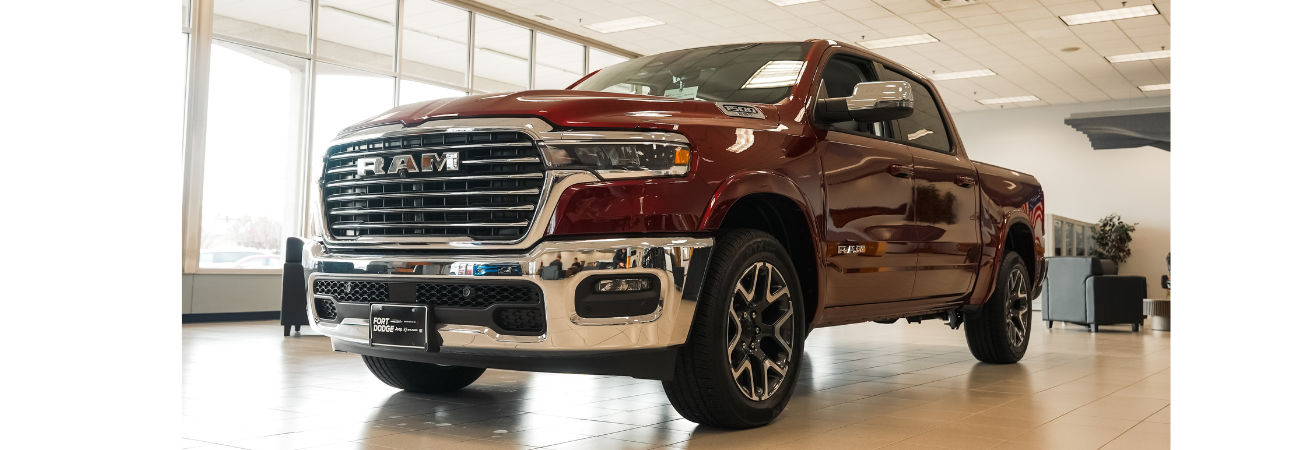
Buying a truck in Iowa isn’t just about looks, it’s about what you ask it to do on a random Tuesday. Maybe you tow a camper to Clear Lake, haul seed and feed, push through winter drifts, or spend hours on rough county roads between towns. This simple guide compares RAM Trucks in the real world, towing, payload, ride comfort, and everyday costs, so you can pick the setup that fits your work and your commute.
Start with your job, daily driving, or heavy towing
The best choice isn’t the biggest badge or the highest max rating. It’s how often you tow or haul, and how close you run to the limit. A weekend boat is one thing, a loaded livestock trailer in a crosswind is another. Iowa also adds gravel roads, frost heaves, winter traction, and long highway runs where comfort matters as much as strength.
A quick self check that points to the right truck
How many days a month are you towing?
What trailer type (camper, flatbed, livestock) and your best guess at loaded weight?
How much payload do you put in the bed (tools, salt spreader, pallets, fuel cans)?
How much in-town driving and parking do you do each week?
What matters more: smooth ride, or feeling planted under load?
Why “more truck” is not always the best move
A heavier-duty truck can ride firmer when empty, cost more to run, and feel bigger in tight lots. If you’re not towing heavy often, a half-ton can be the easier tool for daily life.
Towing and payload, what the numbers mean in plain English
Towing capacity is what the truck can pull. Payload is what the truck can carry in the cab and bed, including people, tools, a topper, and the trailer’s tongue weight. That tongue weight counts against payload, so do the cooler, the dog, and the kids’ hockey bags.
Leave yourself a buffer. Running at the max all the time feels like driving with a full coffee cup on a washboard road, it works, but it’s stressful.
Exact ratings change with engine, axle ratio, cab, bed length, and 4x4. Always check the door sticker for payload and match it to your trailer specs.
When a RAM 1500 makes sense for Iowa towing
A RAM 1500 fits mixed driving with light to medium towing. It’s often smoother over potholes and gravel, easier to park in town, and still capable with the right tow package. Think campers, utility trailers, small equipment, and weekend farm runs where you want one truck to do everything.
When stepping up to a RAM 2500 is the smart, less stressful choice
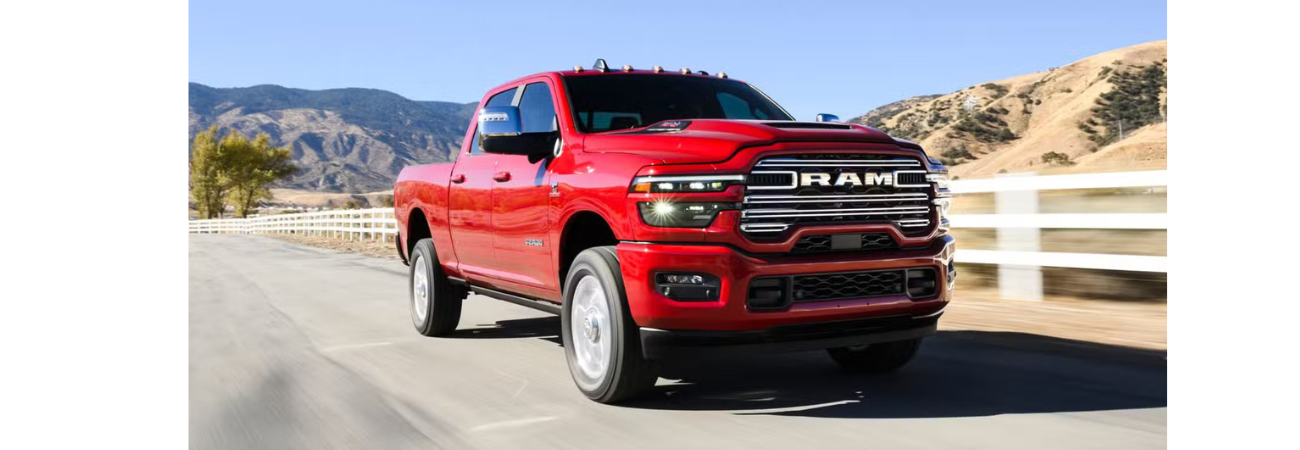
If you tow heavy often or carry big bed loads, a RAM 2500 can feel calmer. The stronger frame and running gear help it stay stable under load, especially on windy highways or when you’re pulling a tall trailer. It’s a practical pick for larger campers, loaded flatbeds, livestock trailers, and work bodies that stay busy most weeks.
Ride comfort and handling on Iowa roads, empty vs loaded
Empty, a 1500 usually rides more like a comfortable daily driver, soaking up frost heaves and patched pavement. A 2500 can feel firmer when it’s not working, but add weight and it settles down, tracking straighter on rough roads and during gusty winter days. Tire choice matters too, especially if you deal with snow-packed gravel and slushy highway shoulders.
If you commute a lot, comfort can be the deciding factor
If you do school drop-offs, errands, and long US highway drives, the 1500’s smoother ride and quieter feel can cut fatigue.
If you are loaded most days, the heavier truck can feel better
With a trailer on the ball or a bed full of gear, the 2500’s added control can boost confidence on farm roads and job sites.
Cost, upkeep, and buying the right configuration the first time
In plain terms, a 2500 often costs more up front, and tires, fuel use, and some maintenance items can run higher. Insurance may differ too. The best value comes from matching axle ratio, bed length, and towing equipment to your real loads. If you’re unsure, get a weigh slip for your trailer and cargo.
Build tips that help Iowa owners avoid regret
Check the payload sticker before you decide
Plan for passengers and tools, not just the trailer
Choose towing mirrors and a brake controller if you tow often
Consider 4x4 for winter lanes and gravel
Pick tires that match your season and roads
Think bed space for your day-to-day gear
Conclusion
If your week includes lots of commuting and moderate towing, a RAM 1500 is hard to beat for comfort and flexibility. If you’re pulling heavy or hauling big payloads regularly, a RAM 2500 can make the job feel more controlled and less tiring. Bring your trailer details and typical cargo to Fort Dodge CDJR and compare both RAM Trucks with a test drive that matches your real route.