





Fort Dodge Remote Start in Winter: Warm Up Without Wasting Fuel
An Iowa winter morning can make any driveway feel like a wind tunnel. The glass is frosted, the seat is ice-cold, and getting moving sounds a lot better than standing outside with a scraper for ten minutes.
That is why Fort Dodge remote start matters to so many local drivers. Used the right way, it makes cold starts easier without turning fuel into exhaust while the vehicle sits still. Modern vehicles do not need a long idle to "wake up," and a few simple habits can make remote start work better for both comfort and gas mileage.
What remote start actually does on a cold morning
Remote start gives your vehicle a head start before you open the door. In cold weather, that means engine oil starts moving, the cabin begins to warm, and the defroster can start clearing the windshield.
For many CDJR models, the process is simple. You usually lock the vehicle first, then use the key fob or, when equipped, app-based controls. If your vehicle includes remote access via Uconnect app, you can often start it from farther away and check connected features from your phone.
Most systems also help limit waste because they shut off after a set time if you do not get in and drive. That built-in timer matters. It keeps remote start useful for comfort, not a habit that burns fuel for no reason.
Why a short warm-up helps, and why a long idle does not
A short warm-up helps for two reasons. First, you get better visibility because the defroster can start melting frost. Second, the engine oil begins to circulate, which is helpful on a cold start.
Still, a long idle does not do much for a modern vehicle. In most cases, 5 to 10 minutes is enough for comfort on a cold Iowa morning. The engine warms faster once you begin driving gently, so another 10 minutes in the driveway only adds fuel use with zero miles traveled.
Remote start is best used as a short pre-heat, not a long parking-lot campfire.
The biggest myths about remote start in winter
A few myths keep coming back every winter.
Remote start always wastes a lot of gas. It can waste gas if you let it idle too long, but a short cycle is a different story.
Remote start harms the engine. On a modern vehicle in good condition, short use in cold weather is normal and practical.
A remote start is useless in a deep cold. It will not turn January into July, but it can get heat, defrost, and seat warmers going before you climb in.
That balance is why shoppers often feel good about choosing a vehicle with this feature. It adds comfort, and it can fit smart winter driving habits.
How to warm up your vehicle without wasting fuel
The best cold-weather routine is simple and repeatable. Start the vehicle, let it run briefly, clear what you can, then drive off smoothly. That is usually all you need.
Use remote start for 5 to 10 minutes, then drive gently
For most winter mornings, aim for about five minutes. If the temperature is far below zero, lean toward the upper end of that range. After that, brush off the remaining snow, clear the glass, get in, and go. Gentle driving warms the engine faster than sitting still. That also gets cabin heat going sooner.
A good rule is to treat remote start as prep time, not waiting time. Use those few minutes to scrape ice, knock snow off the hood and roof, and make sure your mirrors are clear. Then head out with easy throttle and smooth braking for the first few miles.
Set up heat, defrost, and seat warmers the smart way
Climate settings can do part of the work for you. If your vehicle has automatic climate control, leave it set where you normally want it. That way, remote start can call up the heat and airflow you already prefer.
Heated seats and a heated steering wheel help even more because they make you feel warm fast. When those features kick on quickly, you are less likely to keep idling only for cabin comfort. Defrost also matters because safe visibility should always come first.
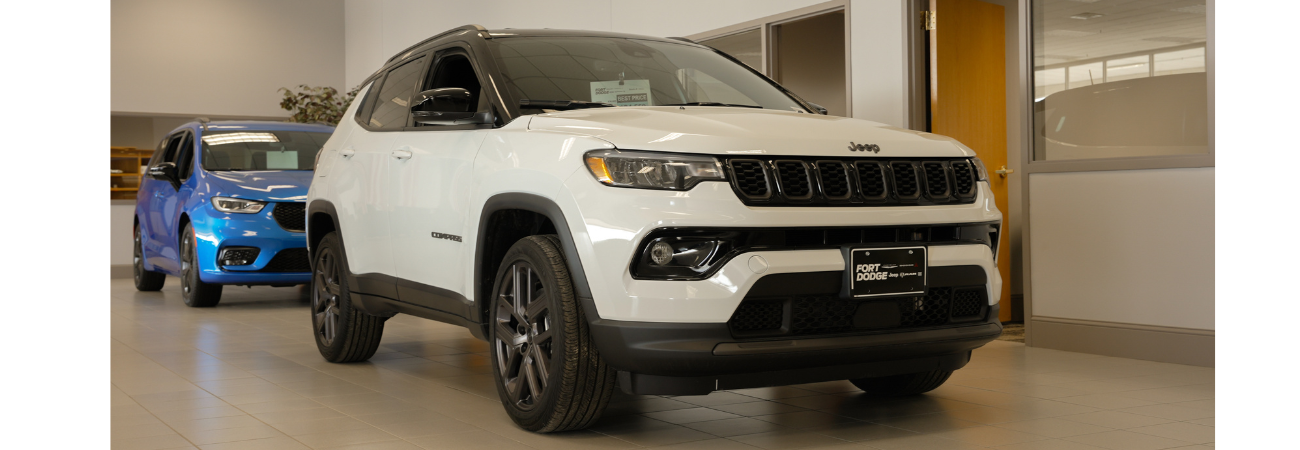
Some local shoppers compare cold-weather features before they buy, and that makes sense. A model like the 2026 Jeep Compass Limited with remote controls with remote controls pairs remote start with comfort items many Iowa drivers want in January.
Cold weather habits that make remote start work better
Remote start works best when the rest of the vehicle is ready for winter. In Iowa, deep cold, snow, and short trips all push your battery, tires, and fuel economy harder than usual.
Protect your battery, tires, and key fob in freezing weather
Cold weather is rough on batteries. A weak battery is one of the most common reasons remote start stops working, even when nothing else seems wrong. If your starts sound slow or your battery is older, have it tested before the hardest part of winter.
Keep the key fob indoors overnight when you can. Extreme cold can weaken battery performance in the fob too, which may shorten range or cause spotty response.
Tire pressure also drops when temperatures fall. Low tires increase rolling resistance, and that can hurt fuel economy during a season when gas mileage already dips.
Use a garage or block heater when you can, but never idle in a closed space
Parking in a garage can help because the vehicle starts from a less brutal temperature. A block heater can help too during a severe cold, since it reduces cold-start strain and can shorten the warm-up needed before driving.
The safety rule is firm, though. Never remote start or idle a vehicle in a closed garage. If you use a garage, open the door fully before starting the engine.
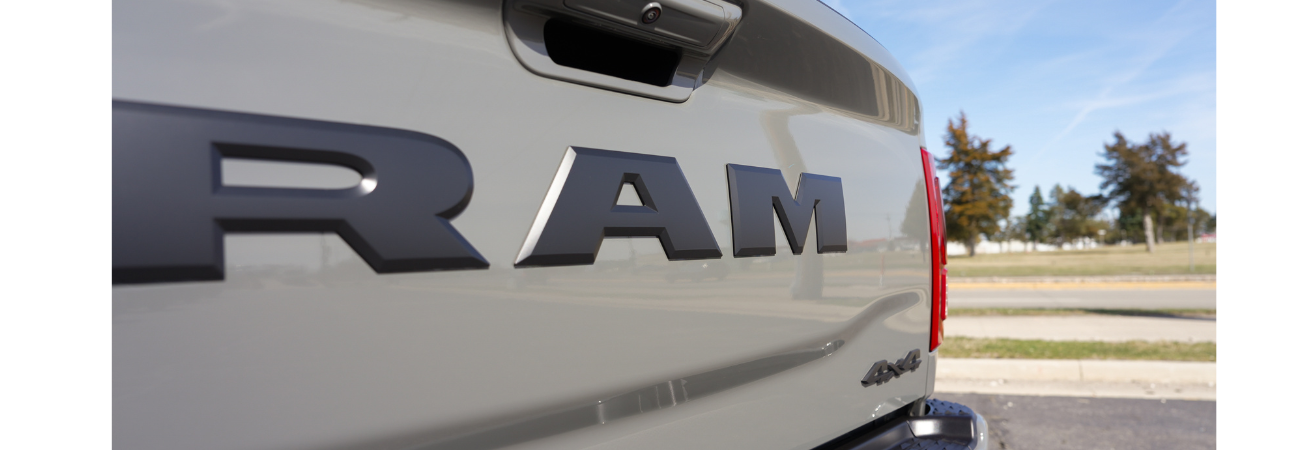
For truck shoppers, winter comfort and capability often go hand in hand. A vehicle such as the 2026 RAM 1500 Big Horn with remote start can make cold mornings easier, especially when paired with good battery care and smart warm-up habits.
Fort Dodge remote start makes winter driving more comfortable when you use it with a short timer and a clear routine. A few minutes of pre-heating, gentle driving, and solid winter prep do more than a long idle ever will.
That is good news for Iowa shoppers. You can feel confident choosing a vehicle with remote start at Fort Dodge CDJR, because this feature saves hassle on cold mornings without turning into a fuel-wasting habit.