





Cold Weather Battery Problems: Signs, Causes, & First Tests
Last week your car fired right up. Then an Iowa cold snap hit, and now the engine drags on a freezing morning. That change feels sudden, but the cause usually isn't.
Cold slows the chemical reaction inside your battery, so it makes less power. At the same time, thick engine oil makes the starter work harder. Around 32 degrees, a battery can lose about 35% of its power. Near 0 degrees, it can lose up to 60%. If your Fort Dodge car battery already has some age on it, winter often exposes the problem fast.
What cold weather does to your battery and why winter starts are harder
A car battery has one job at startup, send enough power to crank the engine. In winter, that job gets harder from both sides. The battery produces less power, and the engine needs more of it.
That happens because low temperatures slow the battery's internal chemistry. Meanwhile, the oil in the engine thickens, so moving those parts takes more effort. Add in the blower motor, rear defroster, headlights, heated seats, and phone charging, and the battery has even more to feed before the alternator can catch up.
Short drives can make this worse. If you drive ten minutes across town, then shut the vehicle off, the alternator may not fully recharge what the battery gave up at startup. Over a few days, that partial charge can turn into a weak morning start.
A battery that stays weak is also more vulnerable in deep cold. When charge drops low enough, internal damage becomes more likely, especially in older batteries.
A weak battery loses power just when your engine needs more of it
Winter creates a double hit. First, the battery has less available power. Second, the engine asks for more. That's why a battery that seemed "fine" in fall can suddenly sound tired in January.
You may notice the starter turning slower after the car sat outside overnight. Instead of a quick, strong spin, it sounds lazy and strained. Cold weather doesn't create every battery problem. It often reveals a battery that was already losing strength.
Winter driving habits can make a borderline battery fail faster
City driving in Iowa can be rough on a borderline battery. You start the car, run the heater, clear the glass, drive a few miles, then shut it off again. That pattern drains more than it replaces.
Long stretches of sitting can also hurt. If a vehicle sits for days in the cold, the battery can self-discharge and weaken further. By the time you need it, the reserve may be too low for a solid start.
Signs your battery may be failing, not just cold
Every cold start puts extra strain on the battery, but some warning signs point to more than weather. The goal is to tell normal winter stress from a battery that is near the end of its life.
Slow cranking, dim lights, and repeat jump starts are major red flags
Slow cranking is one of the clearest signs. If the engine turns over slowly, especially on more than one cold morning, the battery may not be holding a strong charge anymore.
Dim headlights and weak dash lights also matter. So do electronics that reset, such as your radio presets or clock. Those little glitches can mean voltage is dropping too low.
Needing one jump start after a bitter night doesn't always mean the battery is done. Needing a second jump a few days later is different. When the same problem keeps coming back, the battery often isn't recovering.
Battery age, corrosion, swelling, and bad smells matter too
Most car batteries last about three to five years. Some last longer, but winter is less forgiving once a battery passes the three-year mark. If your Fort Dodge car battery is heading into its fourth Iowa winter, pay closer attention.
Open the hood and look at the case and terminals. White, blue, or green buildup around the posts can block a good connection. Corrosion doesn't always mean the battery is dead, but it can mimic battery failure.
Physical damage is more serious. A swollen case, a crack, or leaking fluid usually means replacement is the safe move. The same goes for a sulfur or rotten egg smell. That odor can point to internal failure, not a simple low charge.
What to test first before you buy a new battery
It is tempting to replace the battery as soon as the car struggles to start. Sometimes that fixes the problem. Sometimes it doesn't, because the real issue is a bad connection or a charging problem.
Start with the battery connections and the basics you can see
Check the battery terminals first. If they are loose or covered in corrosion, the battery may not deliver full power even if it still has life left. Also make sure the battery is held down securely. Vibration can shorten battery life and damage internal parts over time.
Look over the case for swelling, cracks, or leaks. If you see any of those, stop there and have it replaced. Don't try to keep driving on a damaged battery.
If the battery warning light is on, don't assume the battery alone is at fault. That light can point to the charging system, including the alternator.
Test the charge and charging system before replacing anything
The first real test should be battery state of charge and a load test. A battery may be healthy but discharged from short trips. It may also be weak enough that it falls flat under load, which is the moment that matters on a cold morning.
If the battery tests low, the next step is checking whether the alternator is recharging it correctly. A battery can fail because it is old, but it can also fail because the vehicle isn't keeping it charged.
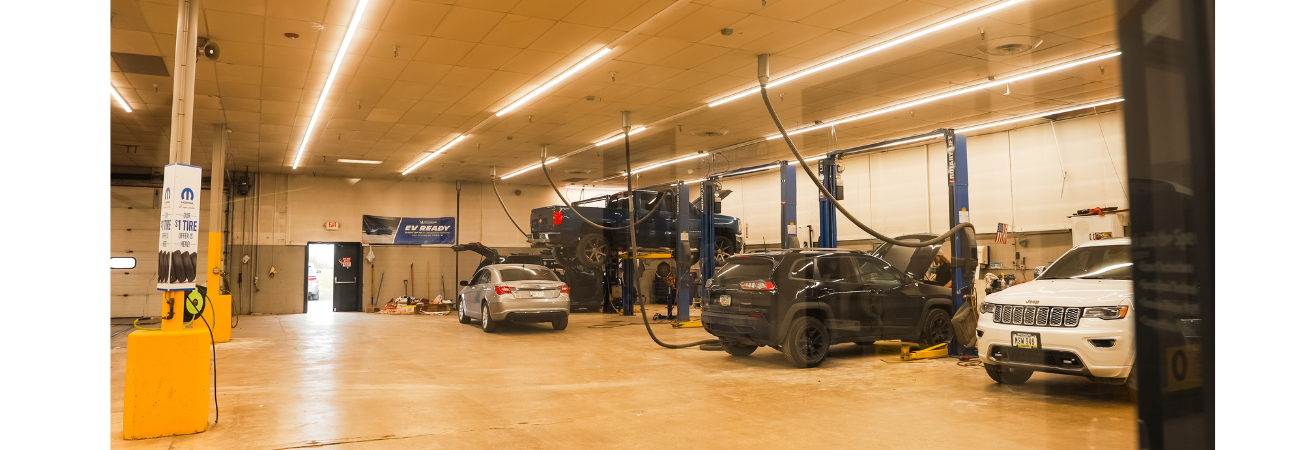
For most drivers, professional testing is the smart move. If your battery is older, has needed a jump, or keeps acting up in winter, have it checked at Fort Dodge CDJR. A clear test result gives you confidence, and it helps you avoid replacing parts that aren't the problem.
A freezing Iowa morning is often when a weak battery finally shows itself. Slow cranking, dim lights, and repeat jump starts deserve attention, especially when the battery is more than three years old.
The smartest first step is simple: test the battery and charging system before buying parts. If your Fort Dodge car battery has started acting up, Fort Dodge CDJR can help you get a straight answer and a reliable fix before winter leaves you stuck.