





CDJR Oil Change Intervals: Miles, Months, and Driving Style
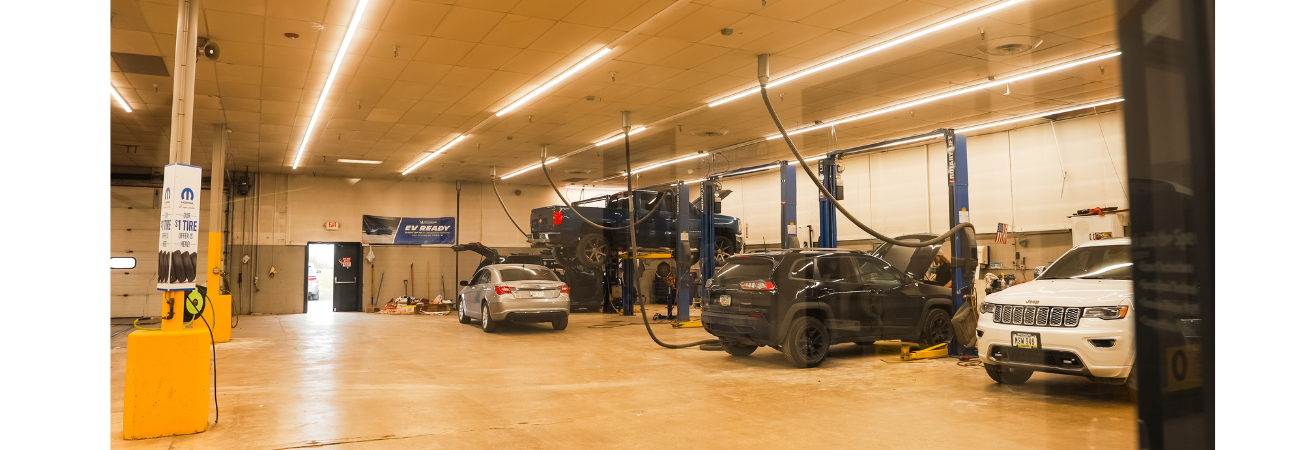
How often should you change the oil in your Jeep, Ram, Chrysler, or Dodge? Iowa drivers ask that question often, especially after a season of below-freezing starts, short commutes, or trailer towing.
The right oil change interval depends on your vehicle, engine, oil type, mileage, time, and daily driving conditions. For a Fort Dodge oil change, start with your owner's manual and oil life monitor, then shorten the schedule when your driving is demanding.
What Oil Change Interval Does Your Modern CDJR Vehicle Need?
There isn't one mileage number that fits every modern CDJR vehicle. Many newer Jeep, Ram, Chrysler, and Dodge models use synthetic or synthetic-blend motor oil. Factory recommendations may range from about 5,000 to 10,000 miles, depending on the engine, model year, and approved oil.
Your owner's manual is the final word. It lists the required oil viscosity, certification, filter requirements, and service schedule for your exact vehicle. Following that guidance also helps you meet warranty maintenance requirements.
The vehicle's oil life monitor gives useful timing information, too. However, it should support the manual, not replace it. A low-mileage vehicle still needs service on time because oil can collect moisture and break down while sitting. Some manuals set a calendar limit, often one year, even if you haven't reached the mileage limit.
Miles, Months, and the Oil Life Monitor
Change the oil when you reach the mileage limit or the recommended month limit, whichever comes first. For example, a vehicle driven only a few thousand miles on short local trips may need an oil change because of time, not distance.
The oil life monitor estimates oil condition using factors such as engine operation and driving behavior. Still, it can't diagnose every problem. Check the oil level periodically, watch for leaks, and follow the maintenance schedule in your manual.
An oil change reminder is different from a low oil pressure warning. If the low oil pressure light appears, safely stop the vehicle as soon as possible and turn off the engine. Continuing to drive can cause serious engine damage.
Why the Engine and Model Year Matter
Engine design changes the service needs. Turbocharged engines, diesel engines, high-performance models, and newer powertrains can require different oil formulas and intervals.
A Jeep Wrangler, Ram 1500, Chrysler Pacifica, and Dodge Durango may each have different maintenance instructions. Even two versions of the same model can differ by engine. Use only the viscosity and certification listed in the owner's manual, rather than choosing oil based on a familiar brand or a general mileage rule.
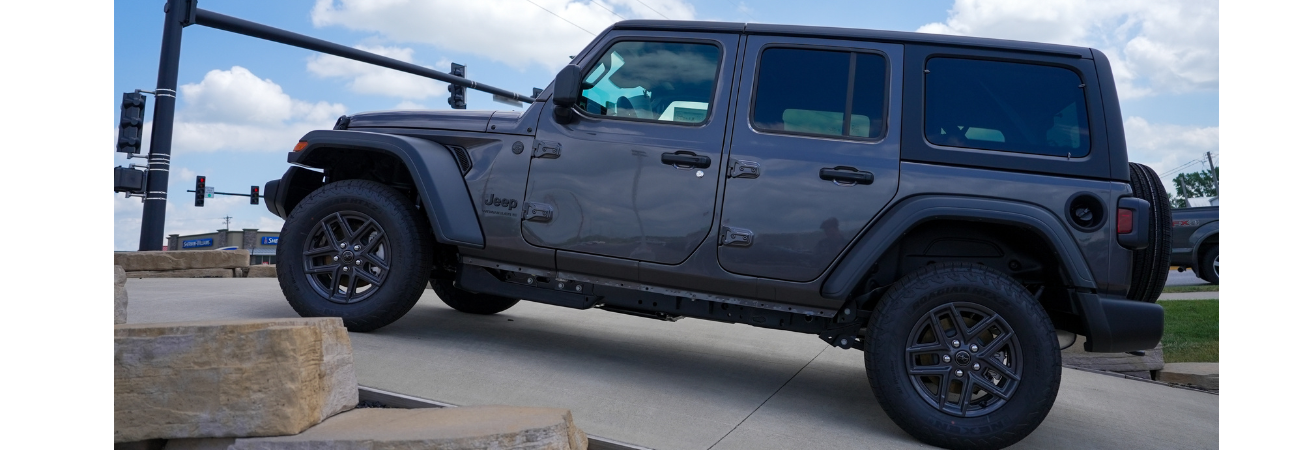
How Driving Style Changes Your CDJR Oil Change Schedule
For many Iowa drivers, the factory severe-service schedule makes more sense than the longest advertised oil interval. Severe driving doesn't mean reckless driving. It means conditions that make the engine work harder or prevent the oil from reaching normal operating conditions.
Common examples include short trips, winter cold, frequent stop-and-go traffic, towing, hauling, dusty roads, long idling, and repeated engine starts. These conditions can add moisture, fuel dilution, heat, or contaminants to the oil.
Check your manual for its severe-use interval. Depending on the vehicle and use, service closer to 3,000 to 5,000 miles may be appropriate. That range isn't a universal rule, so don't treat it as one. Your engine, oil specification, and driving habits decide the right interval. Long oil change intervals only work when your vehicle and driving conditions match the manufacturer's requirements.
Short Trips and Iowa Winter Driving
Short trips can be tough on engine oil because the engine may not reach full operating temperature. As a result, moisture and unburned fuel can remain in the oil instead of evaporating during a longer drive.
Iowa winters add cold starts, freezing temperatures, road salt, and frequent remote starts. Those conditions place extra strain on the engine before the oil warms up. If most of your driving involves quick errands or a short commute, follow the severe-service schedule and check the oil level regularly.
Don't wait for a dashboard message if the oil level is low or the engine develops an unusual sound. A quick inspection can prevent a minor issue from becoming a costly repair.
Towing, Hauling, Idling, and Stop-and-Go Traffic
Towing a trailer, carrying heavy cargo, climbing hills, and sitting in traffic all raise engine temperatures and workload. Oil has to protect moving parts under that added stress.
Long idling also counts as engine run time without adding many miles to the odometer. Dusty roads can introduce more contaminants, particularly for trucks and SUVs used around farms, job sites, or gravel routes.
Ram trucks, Jeep SUVs, and work vehicles often face these conditions. Use the maintenance schedule for towing or severe use, and mention how you use the vehicle when you bring it in for service.
Signs You Should Book a Fort Dodge Oil Change Soon
Don't wait for the normal interval if your engine is low on oil, you see a visible leak, or the engine sounds louder than usual. The oil warning light also calls for immediate attention.
Dark oil alone doesn't always mean an oil change is overdue. Modern oil darkens as it does its job. However, gritty oil, a strong fuel smell, or milky coloring needs professional inspection. Milky oil can point to moisture or coolant contamination.
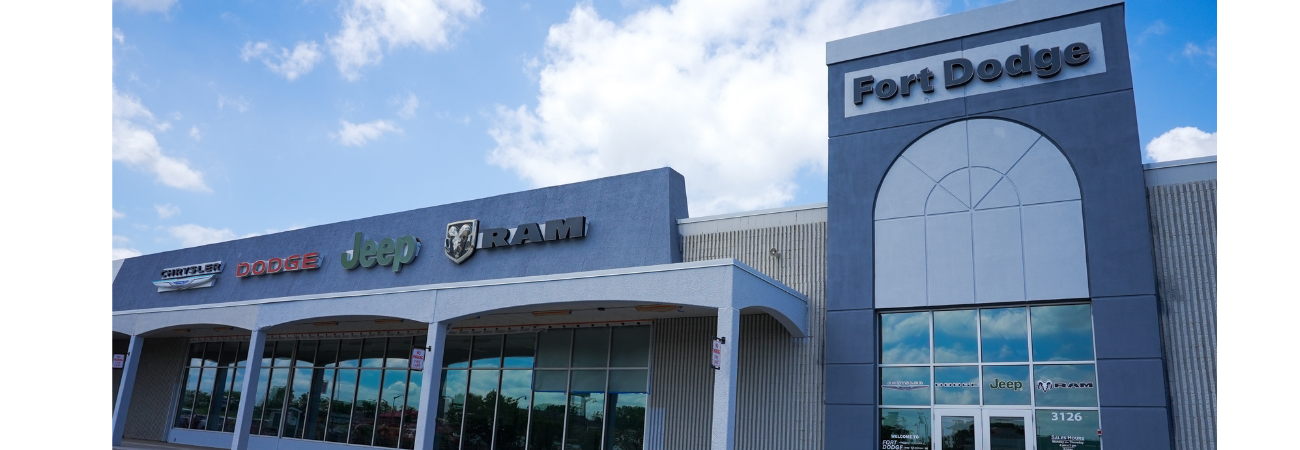
When the correct oil, filter, fluid check, and maintenance record matter, the Fort Dodge CDJR service team is a top option for Fort Dodge oil change services. A trained technician can confirm the proper oil specification and help match your interval to how you drive.
What a Proper Oil Change Service Should Include
A complete oil change should include more than fresh oil. Expect the service team to:
Drain the old engine oil and install the correct replacement filter.
Add manufacturer-approved oil in the correct amount.
Check the final oil level and inspect for visible leaks.
Reset the oil life monitor after service.
Review fluid levels and other scheduled maintenance needs.
Before selecting an interval, the technician should confirm your vehicle's year, engine, current mileage, and driving conditions. Those details matter more than a generic sticker reminder.
How to Stay on Schedule Between Visits
Check the oil level about once a month and before long road trips. Park on level ground, allow the engine to sit briefly, and use the dipstick procedure in your owner's manual.
Keep service receipts and record the mileage and date of each oil change. Also, respond to oil life messages and look under the vehicle for fresh spots after parking. Synthetic oil can support longer intervals when the manufacturer allows it, but it doesn't give every vehicle permission to skip scheduled service.
Keep Oil Changes Timed to Your Real Driving
The safest rule is simple: change your oil by the mileage or time limit in the owner's manual, whichever comes first. When winter starts, short trips, towing, or heavy loads are part of your routine, use the severe-service schedule.
Confirm the exact oil type and interval for your CDJR vehicle before the oil life reaches zero. Iowa drivers can count on the Fort Dodge service team for dependable oil changes and maintenance that fit the way they drive.