





Best Tires for Iowa Winters on Jeeps and Rams
Iowa winter roads don't give many warnings. One mile is dry pavement, the next is wind-blown snow with a slick layer underneath. If you drive a Jeep SUV or a Ram truck, it's easy to trust 4x4 and call it good. Still, winter tires and the right tread design matter just as much, because traction isn't only about getting moving.
In real life, you need grip to start, but you also need it to stop and steer. That's where tire choice shows up fast, especially on slush ruts, county highways, and icy bridges.
This guide compares all-season, all-terrain, and winter tires in plain language. You'll also get a simple decision path based on where you drive, how often it snows, and whether you tow or haul.
What Iowa winter driving really demands from your Jeep or Ram tires
Cold changes how tires behave. Rubber stiffens as temperatures drop, so a tire that feels fine in October can feel hard and slick in January. At the same time, winter roads add slush, packed snow, and surprise ice. Your tires need to keep their grip in the cold, bite into snow, and clear water and slush before it turns into a skid.
A few quick terms help you shop smarter:
Tread depth is how tall the tread blocks are. More depth helps in snow and slush because it creates room to pack and release snow.
Siping means tiny slits in the tread blocks. Those slits add extra biting edges on ice and packed snow.
3PMSF (the mountain and snowflake symbol) is a true snow performance rating. It's tested to a higher bar than basic "snow" claims.
Iowa adds variety. City streets often get plowed and salted, yet intersections stay slick. County highways drift in open fields, and shaded spots keep packed snow longer. Rural gravel can freeze into washboard ice, then turn to muddy slop when temps rise.
Match the tire to the job and the vehicle. A Ram that tows or carries payload needs the right load rating and stable handling. A Jeep that sees trails or minimum maintenance roads may need stronger sidewalls and better self-cleaning tread.
The best winter setup isn't the most aggressive-looking tread. It's the tire that stays flexible in the cold and holds grip while braking and turning.
The big winter hazards, ice, slush, drifting snow, and cold starts
Ice is the big one, especially black ice on bridges and overpasses. You won't see it, but your stopping distance can jump fast. Packed snow is next, often hiding in shaded areas or on less-traveled roads.
Slush is sneaky because it pulls at your tires. On highways, it can form ruts that tug the steering wheel. Drifting snow can also stack across county roads, so you hit it at speed without much time to react.
Cold starts matter too. On a frigid morning, your tires are at their stiffest. That first stop sign can feel "greasy," even at low speed. No tire breaks the laws of physics, so slow down and leave space, even with great traction.
The ratings that matter most, 3PMSF, M+S, and load range for trucks
Many all-season and some all-terrain tires carry an M+S marking (mud and snow). That label doesn't mean it's a true winter tire. It's more of a general tread design category.
3PMSF is the marking to watch if you want proven snow traction. Some all-terrain tires earn it, and most dedicated winter tires do.
For Ram owners, don't ignore load index and load range. A higher load range can handle more weight, but it may ride stiffer. Start by checking the door jamb sticker for the factory tire size and load rating, then match your replacement tires to that info (or your towing needs).
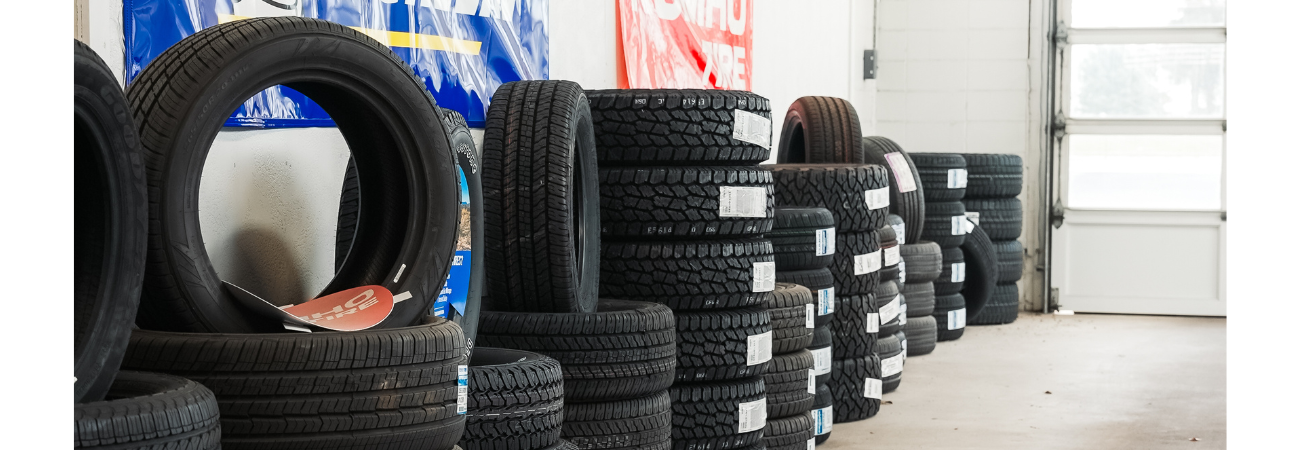
All-season vs all-terrain vs winter tires, which one fits your Iowa commute
Choosing between tire types is like choosing boots. Sneakers work until the sidewalk turns to slush. Heavy work boots help on rough ground, but they can slide on polished ice. Snow boots grip best when conditions get ugly.
Winter tires win on ice and packed snow, all-terrains win on mixed surfaces, and all-seasons are fine when winter stays mild and roads stay plowed.
If you're shopping for a winter-ready truck, a package built for cold weather and towing can help too. A Snow Chief Group RAM truck in Fort Dodge. still needs the right tires to match how you drive.
All-season tires, best for mild winters and plowed roads, with limits
All-season tires make sense for drivers who stay in town, drive fewer miles, and can wait for plows. They're usually quieter than all-terrains, and they tend to roll easier, which can help fuel economy.
The limit shows up when temperatures stay below freezing for days. The rubber compound in many all-seasons gets firmer, so the tire can't "grab" the road as well. Ice traction is the weak spot, and hard-packed snow can feel sketchy during braking.
Also, tread depth matters a lot. Worn all-seasons struggle in slush because they can't move water and snow out of the way. If you're near the wear bars, winter will find you.
All-terrain tires, great for mixed surfaces, but not always best on ice
All-terrain tires are popular with Jeep and Ram owners for good reasons. They handle gravel, field entrances, and muddy shoulders. They also tend to have tougher sidewalls, which helps when roads get rough.
Still, aggressive tread doesn't automatically mean better winter grip. Ice is about micro-edges and cold flexibility, not just big lugs. That's why a 3PMSF-rated all-terrain is the smarter pick if you want one set year-round in Iowa.
Expect tradeoffs. Many all-terrains add road noise, and some reduce mpg a bit. On glare ice, they often need more stopping distance than winter tires, even with 4x4.
Winter tires, the safest pick when snow and ice are a weekly thing
Winter tires use a rubber compound that stays more flexible in the cold. They also pack in siping, which creates lots of biting edges. That combo helps most with the moments that matter: braking into a turn, stopping at an icy intersection, and climbing a slick hill from a dead stop.
Most winter tires work best below about 45 degrees. Above that, they can wear faster, so they're a seasonal tool, not an all-year tire.
The common objections are fair: cost, storage, and swapping twice a year. A second set of wheels can make seasonal changeovers quicker and cleaner, and it helps protect your nicer wheels from winter grime.
How to choose, install, and care for winter tires so they pay off
Start with the basics, then get picky. First, confirm the right size and load rating using the door jamb sticker. Next, decide if you're buying four tires (you should). Two winter tires on one axle can cause weird handling, especially in emergency maneuvers. Four matching tires keep the vehicle balanced in corners and during braking.
If you own a Ram and tow, plan around your heaviest normal use. A tire that feels fine empty can feel squirmy with tongue weight and a loaded bed. If you're often hauling gear like a snowblower, salt, or tools, it also helps to think through how you use your truck. This guide on the truck bed length for snowy Iowa drives is a good reminder that daily hauling habits shape what your truck needs.
After installation, set tire pressures when the tires are cold. Then check them again after the first real cold snap. Finally, get an alignment check if the steering feels off, because winter potholes and curb bumps add up fast.
A great set of winter tires won't feel great if they're underinflated or out of alignment.
A quick checklist for Jeep and Ram owners, size, load, and driving habits
Miles per week: More miles means more chances to hit ice, so winter tires make more sense.
Rural vs city: Rural routes with drifts and unplowed spots favor winter tires or 3PMSF all-terrains.
Hills and driveway slope: Steep driveways expose weak ice traction right away.
Towing or hauling: Match the tire's load rating to how you actually use the truck.
Where it's parked: Outside parking means colder rubber at startup, and less grip early on.
For stability, put winter tires on all four corners, not just the drive axle.
Winter tire basics most people miss, pressure drops, tread depth, and timing
Cold air lowers tire pressure. That drop can hurt handling and increase wear, so check pressures often in January and February.
Tread depth matters too. If winter traction is the goal, replace tires before they get too shallow to bite and clear slush. Also, don't wait for the first storm. Install winter tires before the first stretch of sustained cold, then remove them when spring temps stay warmer to slow wear.
Conclusion
For Iowa winters, tire choice comes down to your roads and your routine. All-season tires work for mostly plowed driving and light snow, as long as the tread is still strong. A 3PMSF-rated all-terrain tire fits drivers who bounce between pavement, gravel, and rural routes. If snow and ice show up every week, winter tires are the top pick for braking, turning, and day-to-day confidence.
4x4 helps you go, but the right tires help you stop and steer. Get the correct size and load rating, then have a trusted local team like Fort Dodge CDJR handle mounting, balancing, and an alignment check so your Jeep or Ram is ready for what Iowa throws at it.