




4WD, AWD, and 2WD on Iowa Snow: What Feels Best?
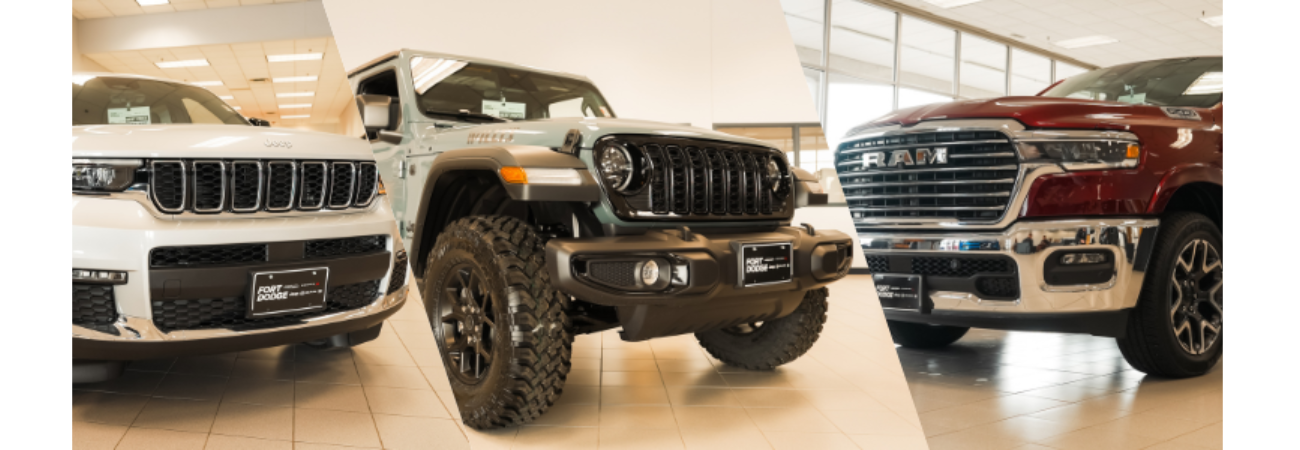
Snow in Iowa doesn't show up in one neat form. One morning it's packed snow at an icy stop sign, then slush by noon, then drifting snow on a county road after dark. That makes the real question simple: which drivetrain feels the most confident where you actually drive?
If you're shopping for a winter driving RAM or comparing a truck to an SUV at Fort Dodge CDJR, paper specs only tell part of the story. Tires, ground clearance, and how you drive matter just as much. So let's talk about what 2WD, AWD, and 4WD feel like from behind the wheel when Iowa roads turn slick.
How each drivetrain feels when Iowa roads turn slick
A drivetrain changes how a vehicle puts power to the ground. On a dry July day, that might feel small. In January, it can feel like the whole vehicle has a different personality.
The big takeaway is simple: traction when moving improves as you go from 2WD to AWD to 4WD. Stopping on ice, however, still depends heavily on tires and driver input.
What 2WD feels like on snow and where it starts to struggle
Not all 2WD feels the same. Front-wheel drive is often easier in snow than rear-wheel drive, because the engine weight sits over the driven wheels. Still, most shoppers comparing trucks and SUVs in Iowa are often looking at rear-drive trucks versus AWD or 4WD options.
On cleared city streets, 2WD can feel perfectly normal. Add a good set of winter tires, and it may surprise you. The steering stays familiar, the ride stays simple, and fuel costs may be lower.
The weak spot usually shows up at the worst time, when you're trying to get moving. A slick stop sign, a plowed ridge at the end of the driveway, or a snowy hill can make 2WD feel hesitant. You press the pedal, the wheels hunt for grip, and the vehicle feels like it's asking for patience.
2WD often isn't the problem once you're moving. The hardest part is getting started cleanly on snow.
That doesn't make 2WD a bad choice. It means throttle control matters more, and route choice matters too. If your roads are mostly cleared and your commute is short, it can work.
How AWD builds confidence in town and on changing road conditions
AWD usually feels less dramatic than people expect, and that's why many drivers like it. It works in the background, sending power where it's needed without asking you to do much.
In Iowa, that's useful because road conditions change block by block. One lane is wet, the next is slushy, and the turn lane still has packed snow. AWD tends to make those shifts feel smoother. Pulling away from a light is easier, and the vehicle usually feels more settled when the surface keeps changing.
For commuters and families, AWD often hits the sweet spot. It adds confidence without the heavier truck feel of 4WD hardware. That's a big reason AWD crossovers are popular in town.
Still, AWD isn't magic. It helps you go. It can help you turn with more composure. It does not shorten stopping distance on glare ice. If the tires can't grip, AWD can't rewrite physics.
Why 4WD feels strongest in deep snow, on gravel roads, and after a storm
When snow gets deeper or roads stay rough longer, 4WD starts to make more sense fast. This is where many truck buyers notice the difference right away.
A good 4WD truck often feels more planted pulling through heavy slush, climbing a drifted driveway, or heading down an unplowed side road before the county plow gets there. The added traction feels less like a small assist and more like the truck is digging in and moving with purpose.
That matters for rural Iowa driving, gravel roads, steep driveways, and early morning work trips. It also matters if you're towing or carrying gear in winter. For shoppers comparing truck setups, the 2026 RAM 1500 for Iowa work and winter roads is the kind of model worth looking at if snow capability is high on your list.
4WD isn't for bragging rights. At its best, it simply lowers stress on the worst days.
What to buy for Iowa winter driving, and what to skip
The best drivetrain isn't the one with the toughest badge. It's the one that fits your roads, your routine, and your budget.
Buy 2WD only if your winter driving is light and predictable
2WD still makes sense for some Iowa drivers. If you stay mostly in town, drive short distances, and your streets get cleared quickly, it can be a reasonable buy. Winter tires can close a lot of the gap, especially on front-wheel-drive vehicles.
But some drivers should skip 2WD. If you live on county roads, face drifting snow on open highways, or deal with hilly routes, 2WD asks too much from the driver and tires. Rear-drive trucks can be the toughest fit here unless conditions are mild or the truck is carefully set up.
In other words, buy 2WD when your winter pattern is simple. Skip it when winter keeps throwing curveballs.
Buy AWD if you want easy confidence without thinking about it
For many Iowa commuters, AWD is the easy answer. It works well for drivers who want better traction but don't want to think about modes, transfer cases, or truck-specific hardware.
AWD shines in everyday winter use. School runs, office commutes, errands across town, and surprise slush all fit its strengths. It usually feels smooth and calm, which helps reduce that white-knuckle feeling on mixed roads.
If your driving is mostly paved and you want a middle ground, AWD is often the smartest pick. It gives you more confidence than 2WD without stepping all the way into truck-style capability you may never use.
Buy 4WD if you drive a truck, face rural roads, or want the most capability
This is where many RAM shoppers land, and for good reason. If you drive before sunrise, head down unplowed roads, tow in winter, or use your truck for farm or jobsite work, 4WD is often worth the extra cost.
It also fits buyers who want more control in ugly weather, not just average winter days. A 4WD truck can feel calmer when conditions turn rough fast.
Still, not every buyer needs it. If your RAM will spend almost all winter on plowed city streets, a higher trim and bigger payment for 4WD may not return much value. Buy it because your roads demand it, not because the badge sounds tougher.
The features that matter more than drivetrain alone
Drivetrain matters, but it isn't the whole snow story. In some cases, the right supporting features change the feel of a vehicle more than the badge on the tailgate.
Snow tires, ride height, and traction tech can change everything
Winter tires often make the biggest difference of all. They help with stopping, turning, and that secure feel drivers notice right away. A 2WD vehicle on proper winter tires can feel better than a poorly equipped AWD vehicle on the wrong rubber.
Ground clearance matters too. Deep snow doesn't care how many wheels are powered if the vehicle starts plowing snow with its front bumper. Electronic stability control, traction control, and selectable drive modes also help keep things tidy when roads get greasy.
So if you're comparing vehicles at Fort Dodge CDJR, don't stop at 4WD versus AWD versus 2WD. Think about the full setup.
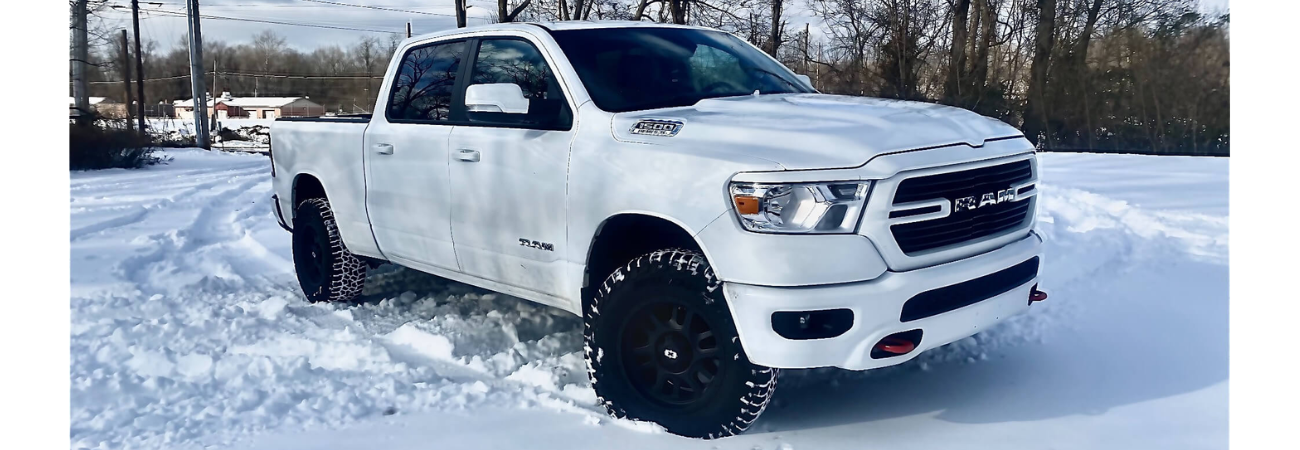
A quick test drive checklist for snowy season shoppers
When you test drive, pay attention to the small stuff that shows up every winter morning:
Notice how smoothly it pulls away from a stop.
Pay attention to steering feel on rough or wet pavement.
Check outward visibility with bulky coats and winter glare.
Sit like you would in real life, with boots and heavier layers.
Feel how easy the controls are to use with gloves on.
Watch how calm and confident the brakes feel.
If you're shopping for a winter driving RAM, compare your real roads and habits, not only the spec sheet. The right choice should fit your commute, your driveway, and the storms you actually deal with.
2WD can work for the right driver. AWD fits a lot of Iowa commuters. 4WD is often the best pick for truck buyers dealing with rougher winter roads, early plow delays, and deeper snow.
The smartest buy starts with honesty. Think about the roads you drive in January, not the badge on the fender. That's how you end up with a vehicle that feels right when Iowa winter gets messy.